

Eating well during Christmas
The holiday season is usually a time of indulgence, celebration, and shared meals. However, for those undergoing cancer treatment or recovering, the festive period can present unique challenges. Symptoms of cancer, as well as the side effects of treatment, can impact appetite, digestion, and taste, making it harder to enjoy traditional Christmas foods.
With this in mind, we asked Registered Dietitian at icesupp, Corrine Toyn, to share her advice on how to eat well and feel good at Christmas, while ensuring your nutritional needs are met.

What types of side effects do people with cancer experience?
It’s important to first recognise the common challenges people with cancer may face when it comes to eating(1):
- Loss of appetite: reduced hunger could be due to treatments or the cancer itself
- Nausea and vomiting: treatments can disrupt the stomach and gastrointestinal system
- Digestive issues: diarrhoea and constipation can impact hunger and limit food choices
- Sore mouth or throat: radiation to the head and neck, or certain medications, can cause oral discomfort
- Fatigue: low energy levels can make meal preparation and eating feel like a chore
- Altered taste or smell: food might taste metallic, bland, or overly sweet
These symptoms mean that traditional Christmas foods, which can be rich, might not always be well-suited. However, with some adjustments, you can still enjoy the festivities and the food.
What should you do if your appetite is low?
When appetite wanes, maintaining a nutritious diet can feel like a challenge and a reduced desire to eat often leads to repetitive, uninspired meals or skipping meals altogether. This can result in inadequate nutrition.
Keeping your meals varied during times of low appetite can help to ensure your body gets the nutrients it needs(2). To keep your meals varied, focus on incorporating a wide range of colours, flavours and textures into your diet. Add variety with fresh or frozen vegetables and fruits of different hues, which not only brighten your plate but also deliver diverse vitamins and antioxidants. Experiment with whole grains like brown rice and incorporate herbs, spices, and sauces to introduce new flavours, making meals more enticing even when your appetite is low.
If you have a poor appetite but want to maintain your nutrition, eating small, frequent meals can also be a helpful strategy. This means eating something every 2-4 hours, even if it’s a small portion and focusing on nutrient-dense foods and snacks such as:
- Nuts, seeds and nut butter
- Cereal bars
- Avocado
- Yogurt
- Cheese or full-fat dairy
- Whole-grain crackers or bread
Small, manageable portions of diverse foods—like a charcuterie-style plate, or a warming soup with varied ingredients—can make eating feel more satisfying whilst providing an array of nutrients(3).

How can you get enough protein?
It’s important to prioritise protein as it’s essential for growing body tissue, maintaining muscle strength and supporting wound healing, which is particularly important when fighting illness(2).
When planning meals, build your plate around protein to ensure you get enough(4). As a general rule, somebody with cancer should eat between 1-1.5g of protein a day per kg of body weight(4). For example, a person that weighs 60g should eat between 60-90g protein a day. For context, a chicken breast that weights 100g provides around 30g protein, 100g of fish provides around 20g protein, an egg provides around 6g protein and 100g tofu provides around 10g protein.
However, some types of protein may be more tolerated than others. Here are some examples of different types of protein to include which can be adapted to your needs:

Soft types of protein sources:
- Fish: Light and flaky options like salmon, cod, or sole are easy to chew and digest, especially when cooked via poaching or steaming
- Eggs: Scrambled eggs, omlettes, or soft-boiled eggs are versatile
- Tofu: Silken tofu can be blended into soups, smoothies, or sauces for an extra protein boost
Lean meats:
- Chicken or turkey: If looking for softer options, go for tender cuts like breast meat, cooked with broth or gravy to keep it moist
- Ground meat: Turkey or chicken mince can be used in sauce-based dishes like meatballs or shepherd’s pie
Plant-based options:
- Lentils and beans: Pureed into soups or dips, these can provide both protein and fibre
- Nut butters: Spread on soft bread or added to smoothies
Dairy:
- Yoghurt: High in protein, it can be enjoyed plain or with fruit and a drizzle of honey
- Cottage cheese: A source of protein and calcium that pairs well with savoury and sweet foods due to it’s mild taste
What sweet treats can I have if I’m low on energy and feel fatigued?
The festive season wouldn’t be complete without a touch of sweetness!
There is a lot of confusing information online which is often misleading when it comes to sugar. The latest research suggests that there is no evidence that following a “sugar-free” diet lowers the risk of cancer or boosts the chances of surviving if you are diagnosed(5). Just like everyone else, the goal is to not consume sugar in excess and it’s ok to enjoy a sweet treat every now and then(5)! In fact, dark chocolate provides flavonoids that can actually be beneficial for your health due their anti-inflammatory effects(6). Focus on nutrient-dense, food and drinks that offer energy and essential vitamins.
Here are some recipes on the Penny Brohn UK website that you could try for that touch of sweetness:
How can I stay hydrated?
Dehydration occurs when your body loses more fluid than it takes in. This can happen if you don’t eat or drink enough or if you lose excessive fluids(7).
People with cancer are particularly vulnerable to dehydration for several reasons, including:
- Nausea and vomiting
- Diarrhoea
- Fever, with or without infection
- Bleeding
- Fluid loss during procedures or surgeries
- Difficulty swallowing
Recognising dehydration isn’t always straightforward. Common symptoms include(7):
- Dry mouth or lips, making it hard to speak
- Thirst
- Dizziness or weakness
- A dry, cracked, or swollen tongue
- Skin that feels dry or stays “tented” when pinched
- Fever or chills
- Headache
- Dark urine or decreased urination
- Sunken eyes
- Poor appetite and reduced thirst

Severe dehydration can lead to complications like low blood pressure and confusion(7). For most people, dehydration can be managed by increasing fluid intake. Your healthcare team may recommend oral rehydration solutions to restore fluids, sugar, and electrolytes(7). If drinking isn’t sufficient, intravenous (IV) fluids may be necessary(7). Treating the root cause, such as nausea or difficulty swallowing, is also essential to prevent further dehydration(7).
Here are some tips for staying hydrated over the Christmas period(7):
- Drink small amounts of fluids frequently, opting for cold or iced beverages if they’re easier to tolerate
- Incorporate fluid-rich foods like fruits, vegetables, soups, yoghurt and smoothies
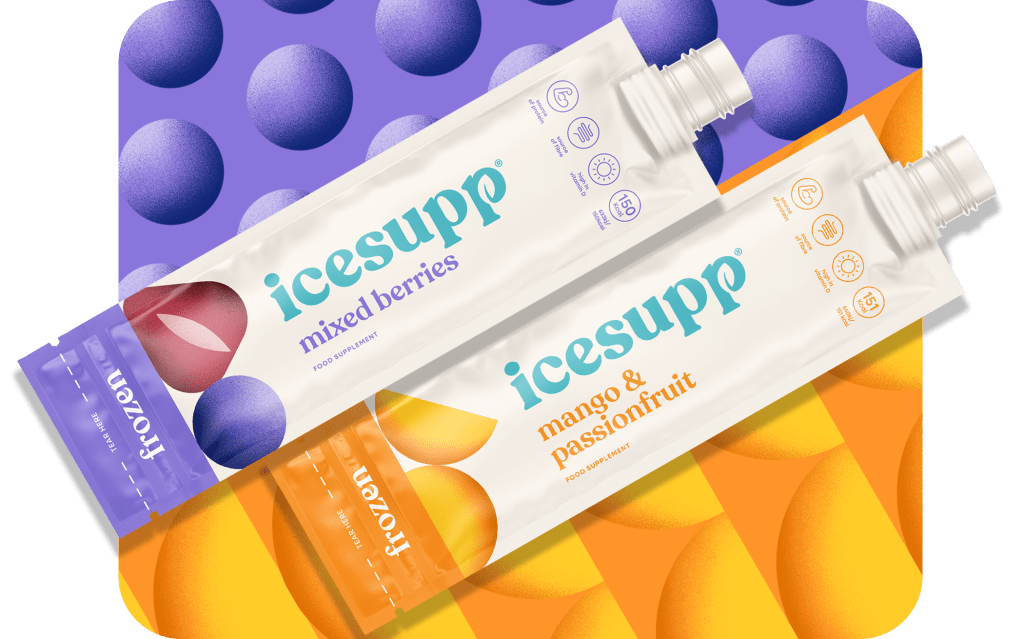
- Suck on ice chips or iced nutritional supplements such as icesupp if drinking is challenging
- Stay hydrated before exercising or spending time in hot weather
- Keep fluids like bottled water or juice boxes within reach if getting up is difficult
- Track your food and fluid intake in a diary to ensure adequate hydration
- Try and avoid alcohol and caffeine if you can, which can increase fluid loss
- Use lip balm or moisturisers to prevent cracked lips
By staying proactive and mindful of fluid intake, you can help prevent dehydration and its associated complications.
What types of foods can ease symptoms of nausea?
Nausea can make eating feel impossible, but certain flavours and ingredients can help to control sickness(8).
- Ginger: fresh or ground ginger can be added to teas, soups, or baked goods. How about trying some gingerbread with yogurt and banana?
- Mint: peppermint tea or mint-infused water can be refreshing and soothing
- Citrus: lemon or lime juice adds a bright, zingy flavour that may help to refresh
- Herbs and mild spices:
- Use dill, parsley, or basil for light seasoning
- You may wish to avoid heavy spices like chili, which can aggravate nausea or a sore mouth
Don’t forget to speak to your healthcare professional if you are struggling with nausea, as they may be able to offer you anti-sickness medication(8). Or, you could book in some relaxation time over Christmas and try complementary therapies like acupuncture or hypnotherapy(8).
What types of foods should you opt for if you have a sore mouth?
If you’re struggling with a sore mouth, check out our previous blog here for tips on eating and drinking well when you have a sore mouth.
Soups are a particularly comforting, versatile option that can be customised to suit specific needs. Seasonal ingredients add a festive touch while keeping meals manageable. For example, try this beetroot and coconut soup on the Penny Brohn UK website:
Here are some tips for preparing soups:
- Blend soups to a smooth consistency if chewing is difficult
- Serve lukewarm rather than piping hot to avoid irritating a sore mouth
- Try grating cheese or add a scoop of yoghurt or crème fraiche for some additional nutrition
Are there any foods I should avoid?
Cancer and its treatments can increase your risk of infection. Some treatments may temporarily reduce the number of white blood cells in your body, which play a key role in fighting infections. This condition, known as neutropenia, means your body has fewer white blood cells than normal(9).
For most people undergoing cancer treatment, dietary changes are not necessary. However, if you are receiving high-dose chemotherapy, you may be advised to avoid foods that could carry harmful bacteria. Additionally, you might need to take extra precautions with food hygiene. Your healthcare professional will provide guidance tailored to your needs(9). Whilst ensuring good food hygiene is important, it’s also best to avoid the following foods(9):
- Raw or lightly cooked eggs – just make sure they’re properly cooked
- Unpasteurised milk and yoghurt
- Soft, ripened cheese e.g. Brie or Camembert, or blue-veined cheese e.g. Stilton – don’t worry, you can still have other cheeses like cheddar
- Pate – this includes all types of pates, but as an alternative, you could try olive tapenade or dips such as hummus or tzatziki
- Cold meats that have been smoked but not cooked such as salami
- Unwashed fruit, vegetables and salad
Are there any other additional tips for eating well this Christmas?
Have picky foods available:
Having foods that you like readily available can help to reduce stress around preparing meals
Pre-plan meals when you're feeling up to it:
Prepare and freeze dishes that are tried and tested ahead of time to minimise effort on busier days – you don’t need to experiment with new flavours all the time, just go for what you like
Don't forget to ask for help:
Family and friends are often more than happy to assist with meal preparation, especially during the holidays
Consider incorporating a nutritional supplement
If you are unable to meet your nutritional requirements through food and drink alone, you may wish to try a nutritional supplement which contains additional energy, protein and vitamins and minerals which can provide a top-up during times of need
Don't forget to be kind to yourself
It’s natural to feel low or out of sorts when dealing with cancer—whether personally or through loved ones—and the heightened energy of the Christmas season can sometimes make us want to withdraw from the festivities. Research shows that forcing ourselves to feel cheerful can harm our mental health, so it’s crucial to take breaks from the celebrations when needed. Embrace self-compassion and go at your own pace.
In conclusion
While cancer treatment and symptoms can make eating more challenging, it’s still possible to enjoy the festive season. By focusing on nourishing foods and flavours that you enjoy, you can maintain your energy and even find joy in food. It might take a little bit of trial and error as you adapt, however it’s worth giving yourself some time to plan ahead so that you can find the foods and drinks that work for you.
This Christmas, allow yourself the flexibility to adapt meals to how you’re feeling, celebrate small victories, and embrace moments of togetherness around the table—even if your plate looks a little different. After all, the spirit of the season is about joy, and love, and that can be found in many forms.

References:
- Macmillan Cancer Support. (n.d.) Eating problems. Available at: https://www.macmillan.org.uk/cancer-information-and-support/impacts-of-cancer/eating-problems (Accessed: [December 2024]).
- The Royal Marsden NHS Foundation Trust. (n.d.) Nutrition. Available at: https://www.royalmarsden.nhs.uk/your-care/support-living-with-and-beyond-cancer/guidance-advice/nutrition (Accessed: [December 2024]).
- British Dietetic Association (BDA). (n.d.) Healthy eating. Available at: https://www.bda.uk.com/resource/healthy-eating.html (Accessed: [December 2024]).
- World Cancer Research Fund (WCRF). (n.d.) How important is protein during cancer? Available at: https://www.wcrf.org/living-well/living-with-cancer/your-questions-answered/how-important-is-protein-during-cancer/ (Accessed: [December 2024]).
- Cancer Research UK. (2023) Sugar and cancer: What you need to know. Available at: https://news.cancerresearchuk.org/2023/08/16/sugar-and-cancer-what-you-need-to-know/ (Accessed: [December 2024]).
- OncNursingNews. (n.d.) Chocolate: to eat or not to eat? Available at: https://www.oncnursingnews.com/view/chocolate-to-eat-or-not-to-eat (Accessed: [December 2024]).
- American Cancer Society. (n.d.) Fluids and dehydration. Available at: https://www.cancer.org/cancer/managing-cancer/side-effects/eating-problems/fluids-and-dehydration.html (Accessed: [December 2024]).
- Cancer Research UK. (n.d.) Other ways of controlling sickness. Available at: https://www.cancerresearchuk.org/about-cancer/coping/physically/sickness/other-ways-of-controlling-sickness (Accessed: [December 2024]).
- Macmillan Cancer Support. (n.d.) Healthy eating and cancer: Food safety when your immunity is low. Available at: https://www.macmillan.org.uk/cancer-information-and-support/impacts-of-cancer/healthy-eating-and-cancer/food-safety-when-your-immunity-is-low (Accessed: [December 2024]).